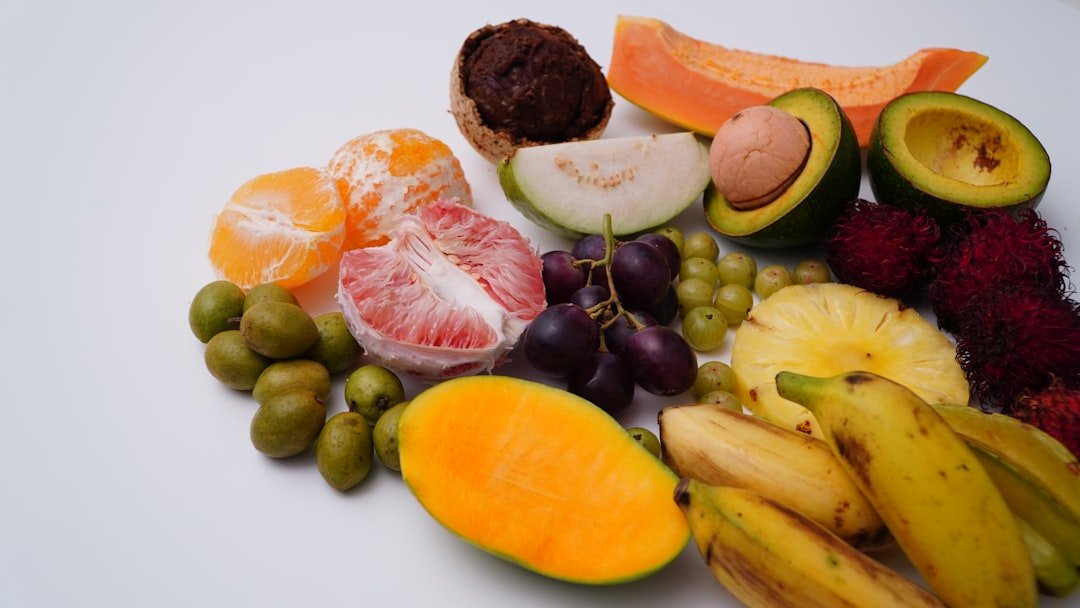
Introduction to Anti-Inflammatory Foods
Have you ever wondered how the food you eat can impact your body’s inflammation levels? It’s a fascinating topic that has gained a lot of attention in recent years. Inflammation is a natural process that helps your body heal and defend itself from harm. However, chronic inflammation can lead to various health issues, including heart disease, arthritis, and diabetes. That’s where anti-inflammatory foods come into play. By incorporating these foods into your diet, you can help reduce inflammation and improve your overall health.
What Are Anti-Inflammatory Foods?
Anti-inflammatory foods are those that help to reduce inflammation in the body. They are typically rich in antioxidants, vitamins, and minerals that combat free radicals and support the body’s natural defenses. But what exactly are these magical foods, and how do they work?
Common Anti-Inflammatory Foods
- Fruits and Vegetables: Think berries, leafy greens, tomatoes, and oranges. These are packed with antioxidants and phytonutrients.
- Fatty Fish: Salmon, mackerel, and sardines are rich in omega-3 fatty acids, known for their inflammation-fighting properties.
- Nuts and Seeds: Almonds, walnuts, flaxseeds, and chia seeds provide essential fatty acids and antioxidants.
- Whole Grains: Oats, quinoa, and brown rice offer fiber and nutrients that support a healthy gut microbiome.
- Spices: Turmeric, ginger, and garlic are renowned for their anti-inflammatory effects.
How Do Anti-Inflammatory Foods Work?
The science behind anti-inflammatory foods is quite interesting. These foods contain compounds that can suppress the production of inflammatory molecules in the body. For instance, omega-3 fatty acids found in fatty fish help reduce the production of inflammatory substances like cytokines. Antioxidants, found in fruits and vegetables, neutralize free radicals that can cause oxidative stress and inflammation.
Benefits of a Diet Rich in Anti-Inflammatory Foods
Adopting a diet rich in anti-inflammatory foods can offer numerous health benefits. Here are a few:
- Reduced Risk of Chronic Diseases: By lowering inflammation, you reduce the risk of diseases like heart disease, diabetes, and cancer.
- Improved Digestive Health: Whole grains and fiber-rich foods support a healthy digestive system.
- Better Joint Health: Foods like fatty fish and nuts can help alleviate symptoms of arthritis and joint pain.
- Enhanced Mood and Mental Health: Nutrient-rich foods support brain health and can improve mood disorders.
Incorporating Anti-Inflammatory Foods into Your Diet
So, you’re probably wondering how you can start incorporating these foods into your meals. It’s easier than you might think! Here are some tips:
- Start Your Day Right: Begin with a bowl of oatmeal topped with berries and nuts.
- Snack Smart: Keep a bag of mixed nuts or an apple handy for a quick, anti-inflammatory snack.
- Spice It Up: Add turmeric or ginger to soups, stews, or smoothies for an extra health boost.
- Go Fish: Aim to have fatty fish like salmon at least twice a week.
- Load Up on Veggies: Fill half your plate with a variety of colorful vegetables.
Conclusion: A Healthier You Awaits
Incorporating anti-inflammatory foods into your diet is a delicious and effective way to support your health. By making small, consistent changes, you can significantly impact your well-being and reduce your risk of chronic diseases. Remember, it’s all about balance and variety. So why not start today? Your body will thank you for it!