Introduction
Have you ever felt bloated or uncomfortable after eating? You’re definitely not alone. Many of us face digestion issues from time to time, and while it’s tempting to reach for the nearest antacid, sometimes all we need is a little tweak in our diet. The good news is that there are plenty of foods that can help improve digestion naturally. In this article, we’ll explore some of these digestive-friendly foods and how they can benefit you.
Understanding Digestion
Before diving into the foods that aid digestion, it’s helpful to understand what digestion is. It’s the process by which our body breaks down food into nutrients that we can absorb and use for energy, growth, and cell repair. An efficient digestive system is crucial for our overall well-being. But what happens when digestion is sluggish? This can lead to discomfort, bloating, and even nutrient deficiencies.
Fiber-Rich Foods
The Role of Fiber
Fiber is a key player in the digestion process. It helps keep things moving smoothly through your digestive tract. Foods high in fiber can prevent constipation and promote regular bowel movements.
- Whole Grains: Think oats, brown rice, and whole wheat bread. These grains are packed with fiber and are great for digestion.
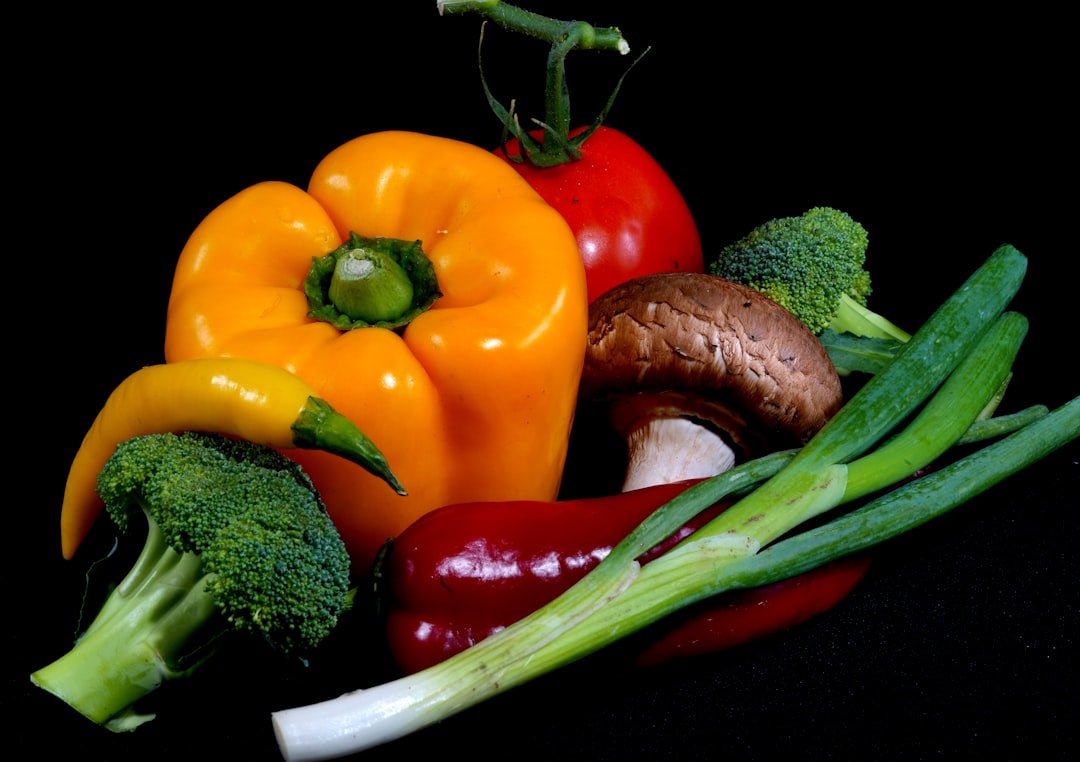
- Fruits and Vegetables: Apples, pears, berries, carrots, and broccoli are all excellent sources of fiber.
- Legumes: Beans, lentils, and chickpeas are not only fiber-rich but also provide a good dose of protein.
Probiotic Foods
What Are Probiotics?
Probiotics are live bacteria that are good for your gut health. They can help balance the gut microbiome, which is essential for proper digestion.
- Yogurt: Make sure it’s labeled with live and active cultures. Yogurt is a delicious way to consume probiotics.
- Kimchi and Sauerkraut: Fermented foods like these are rich in probiotics and add flavor to your diet.
- Kefir: A fermented milk drink that’s packed with probiotics. It’s a great alternative for those who are lactose intolerant.
Hydrating Foods
Importance of Staying Hydrated
Water is vital for digestion. It helps break down food so that your body can absorb the nutrients. Dehydration can lead to constipation and other digestive issues.
- Cucumber: With high water content, cucumbers are refreshing and hydrating.
- Watermelon: Not only a hydrating fruit but also packed with vitamins and antioxidants.
- Celery: Another crunchy vegetable that’s high in water content and fiber.
Herbs and Spices
Natural Digestive Aids
Many herbs and spices are known for their digestive benefits. They can reduce bloating and enhance the digestive process.
- Ginger: Known for its anti-inflammatory properties, ginger can soothe the stomach and aid digestion.
- Peppermint: Helps relax the gut muscles and can alleviate symptoms of IBS.
- Turmeric: Contains curcumin, which has been shown to aid digestion and reduce inflammation.
Personal Insights
As someone who has struggled with digestion issues, I’ve found that incorporating these foods into my daily diet has made a significant difference. It’s not just about eating these foods occasionally; consistency is key. Now, I make it a point to start my day with a fiber-rich breakfast and include probiotic foods in my meals. Of course, everyone’s body is different, so it’s essential to listen to yours and adjust accordingly.
Conclusion
Improving digestion is often just a matter of making simple dietary changes. By including fiber-rich foods, probiotics, hydrating foods, and beneficial herbs and spices in your meals, you can support a healthy digestive system. Remember, it’s not just about avoiding foods that cause discomfort; it’s about embracing those that promote good digestion. So next time you’re at the grocery store, consider picking up some of these digestive-friendly foods. Your gut will thank you!